Physical Activity and Nutrition
- miltonjs1
- Feb 28
- 4 min read
A new year is beginning, and with it, renewed inspiration to set goals and start working towards them. Among these, two always stand out: nutrition and physical activity—one doesn't work without the other.

In the work developed by sports nutritionist Gabriela Yoshimura , from the Einstein Rehabilitation and Sports Center at the Albert Einstein Israelite Hospital, those who wish to begin a process of nutritional re-education—that is, changing their eating habits—should adopt an organized routine based on natural and fresh foods, in addition to paying attention and being responsible for the choices made at the table.
Living a healthy life is no longer a fad: it has become a priority in the hectic world we live in. As the nutritionist says: "It's important to understand what to eat, when to eat, and in what proportions, so that food becomes an ally, not a constant challenge."

✨ New year, new energy!
If you want to start 2026 in better health, remember: balanced diet + physical activity = an unbeatable combination.
A healthier body inevitably involves physical exercise. However, abruptly increasing the intensity or volume of training without proper physical and nutritional preparation increases the risk of injury.
To ensure better results in physical activities, the body needs an adequate supply of carbohydrates — the body's main source of "fuel" —, proteins, essential for muscle building and repair after training, as well as fats, vitamins and minerals, indispensable for hormone production, bone health and other physiological processes.

Without this balanced nutritional foundation, even exercise routines can be compromised. "Over time, repeating intense workouts without adequate nutrition results in accumulated stress on the tissues, which manifests as a higher risk of injury," emphasizes the sports nutritionist.
Knowing the importance of proper nutrition to ensure energy during physical activity, we can start with simple exercises using only our own body weight. It's always good to remember: consult a professional.
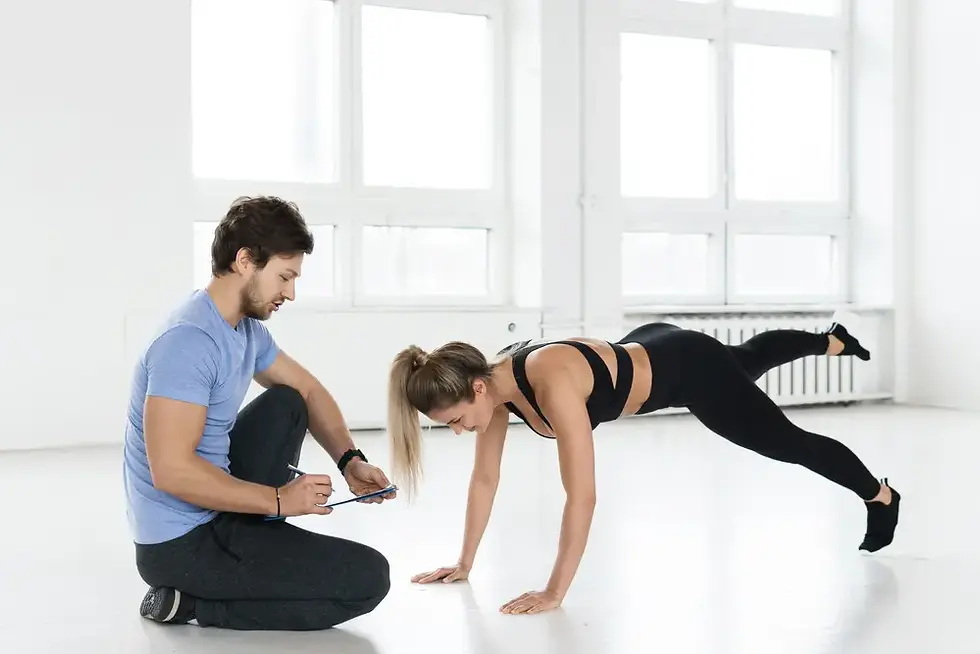
Calisthenics: bodyweight training
Calisthenics is a training method that uses only body weight to develop muscle strength, flexibility, endurance, balance, and coordination.
Because it is accessible and versatile, it is a great option for those who want to exercise at home or outdoors without needing equipment. Furthermore, it has gained popularity worldwide due to its benefits for physical and mental health.
With exercises like push-ups, squats, and pull-ups, calisthenics is adaptable to all levels — from beginner to advanced — and serves for general physical conditioning, hypertrophy, weight loss, and improved mobility, and can be practiced anywhere.
What is it
Origin: The word comes from the Greek kallos (beauty) and stenos (strength), referring to the pursuit of physical and mental strength and aesthetics, with roots in Ancient Greece.
Concept: It uses the body as the main training tool, without relying on weights or machines, although it may incorporate accessories such as bars or rings.
Exercises: Includes functional movements such as squats, push-ups, sit-ups, planks, pull-ups, jumps, and balance exercises.

Benefits
Muscle strengthening: Works various muscle groups, promoting strength and toning.
Flexibility and mobility: Improves range of motion and joint mobility, combating stiffness.
Endurance: Increases cardiovascular and muscular endurance, improving physical conditioning.
Coordination and balance: Develops body awareness and stability, essential for everyday life.
Accessibility: It can be practiced anywhere (home, parks) and is adaptable for all levels, from seniors to athletes.
General health: Contributes to calorie burning, weight loss, and the prevention of chronic diseases, such as cardiovascular diseases.
Functional body: Mimics real movements, preparing the body for daily tasks.

How it works
Intensity is adjusted by varying the number of repetitions, the difficulty of the exercise (e.g., push-ups on the floor to push-ups with elevated feet), or the technique, continuously challenging the body. The focus is on the quality of execution to maximize results and minimize the risk of injury, making it important to have guidance from a professional.
Calisthenics exercises at home
Squat: One of the simplest, it consists only of repeating the squatting motion.
Push-ups: Works the chest, abs, and triceps. Hands on the floor, arms shoulder-width apart, and legs extended behind you. Bend your arms up and down, keeping your abs engaged.
Abdominal plank: For endurance. Forearms supported on the floor, legs extended and abdomen contracted, keeping the body still and upright.
Abdominal exercise: With your back on the floor, legs bent, and hands on the sides of your head, raise your torso and carefully return to the starting position.
Burpee: A complete exercise that involves squatting, pushing up, and jumping, working several muscle groups.

Calf muscles: the "second heart"
The calf muscle is formed mainly by the gastrocnemius and soleus muscles, connected to the Achilles tendon. It is essential for walking, running, jumping, and maintaining balance, as well as aiding in blood circulation, functioning as a "second heart" by propelling blood back to the heart.
Main functions:
Plantar flexion of the ankle and foot.
Impact absorption.
Stability and balance.
Venous return, preventing varicose veins and swelling.

Benefits of strengthening:
Improved cardiovascular health and prevention of chronic venous insufficiency.
Reduction of cramps, sprains, and circulatory problems.
Increased strength and endurance for daily and sporting activities.
Common exercises:
Calf raise (standing or seated).
Jump rope.
Calf raise on a step (bilateral or unilateral).
🔥 Benefits: more energy, injury prevention, improved circulation and physical conditioning. The calf muscle, for example, is the body's "second heart"—strengthening this area even helps with cardiovascular health!
🌟 Final tip : Start slowly, stay consistent, and celebrate each achievement. The important thing is to keep moving and take care of yourself!
"I praise you because I am fearfully and wonderfully made; your works are wonderful, I know that full well." ( Psalm 139:14)


Comments